Accountants for Sole Traders in Ireland
Your books, expenses, Form 11 and VAT returns handled by a chartered accountant, for one fixed monthly fee.
Who we work with
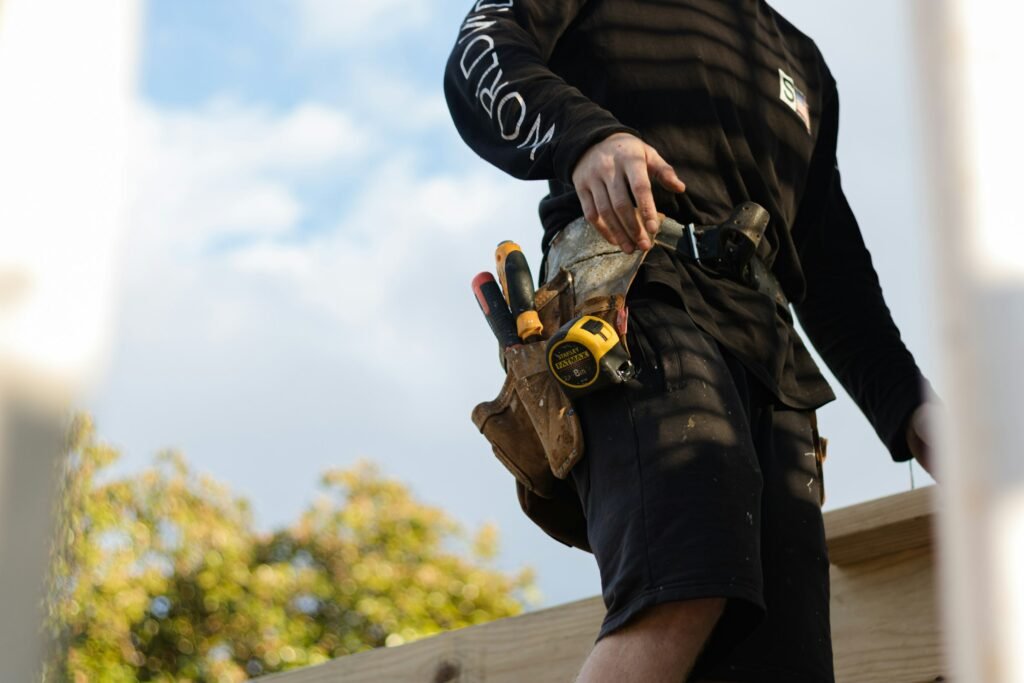
- Tradespeople: electricians, plumbers, carpenters, builders and subcontractors
- Freelancers and consultants in IT, design, marketing and recruitment
- Health professionals: physios, therapists, locum doctors and nurses
- Shop owners, cafes, hairdressers and other local businesses in Kerry and beyond
- People starting out: see our guide on how to register as self-employed
What our sole trader service includes
| Service | What we do |
|---|---|
| Form 11 tax return | Prepared and filed on ROS, with your trading accounts and any other income |
| Preliminary tax | Worked out each year so you pay enough to avoid interest, and no more |
| Expenses review | Every allowable cost claimed: van, tools, phone, use of home, training, insurance |
| Capital allowances | 12.5% a year on equipment, vans and fit-out |
| VAT | Registration if you need it and VAT3 returns on time |
| Bookkeeping | Optional monthly bookkeeping with AutoEntry receipt capture |
| Revenue contact | We act as your linked agent and deal with Revenue letters for you |
How sole traders are taxed in Ireland
As a sole trader you pay tax on your profit, which is your income minus allowable expenses. Three charges apply:
Income tax
At 20% and 40%. In 2027 the 20% band rises to €46,500 for a single person.
USC
At the same rates as employees, plus 11% on non-PAYE income over €100,000.
PRSI Class S
At 4.35% from 1 October 2026, with a minimum of €650 a year.
You also get the Earned Income Tax Credit, worth €2,000 in 2026 and €2,125 in 2027. Try our self-employed tax calculator to estimate your bill.
Key dates for sole traders
| What | When |
|---|---|
| Form 11 for 2026, balance of 2026 tax, preliminary tax for 2027 | 31 October 2027, or the later ROS date Revenue sets each year |
| VAT3 returns (if registered) | By the 19th of the month after each period, or the 23rd if you file and pay on ROS |
| Claim back overpaid 2022 tax | 31 December 2026. See the four-year rule |
Sole trader or limited company?
Once your profit passes a certain level, a limited company can save tax, but it adds cost and paperwork. We run the numbers for you as part of your review. Read sole trader vs limited company first.
Expenses sole traders often miss
- A share of home heating, electricity and broadband if you work from home
- Mobile phone and business share of your car or van running costs
- Professional subscriptions, training and insurance
- Bank charges and accountancy fees
The test is that the cost is wholly and exclusively for the business. See self-employed tax deductions for the full list.
Frequently asked questions
Do sole traders need an accountant in Ireland?
The law does not require one, but most sole traders save more in tax and time than the fee costs. An accountant also deals with Revenue for you.
Should I file a Form 11 or Form 12?
Sole traders file a Form 11. See Form 11 vs Form 12.
When do I need to register for VAT?
When turnover passes €42,500 for services or €85,000 for goods in a 12-month period. Read how to register for VAT.
How much does a sole trader accountant cost?
We charge a fixed monthly fee based on your turnover and how much bookkeeping you need. See our accountant fees.
Talk to a chartered accountant
Book a free 30-minute check. We will review your last return and give you a fixed fee.
Book a free callTalk to a Chartered Accountant
Book a free 30-minute business check. You get a clear fixed fee before any work starts.